
How We Do It
The success of SmartICE is driven by skilled local teams who operate technology, interpret ice conditions, and support community-based ice monitoring programs and research.
Working alongside our Community Management Committees (CMCs) or local governance partners, these initiatives help ensure SmartICE services are locally led, culturally relevant, and responsive to community priorities. Our training initiatives are designed to develop the technical expertise, operational knowledge, and leadership needed to sustain SmartICE services in northern communities.
Community-Led Ice Monitoring
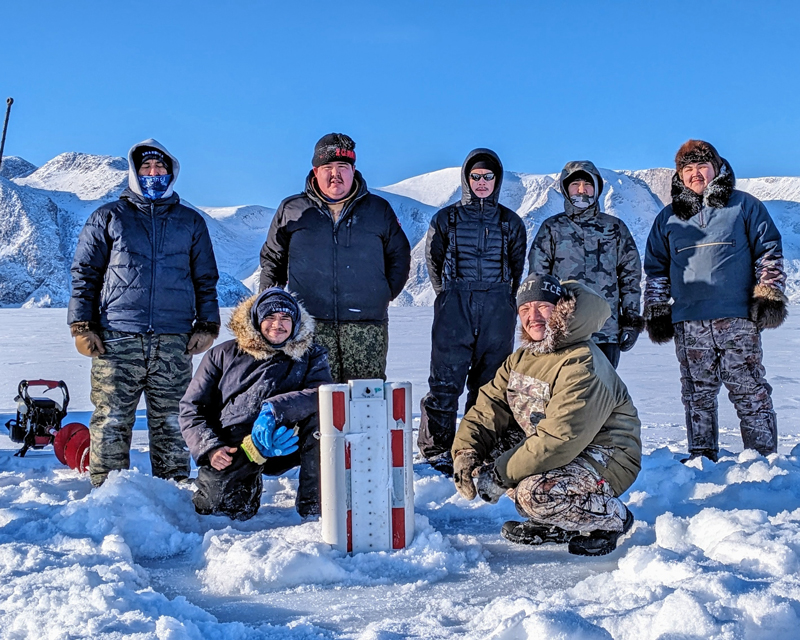
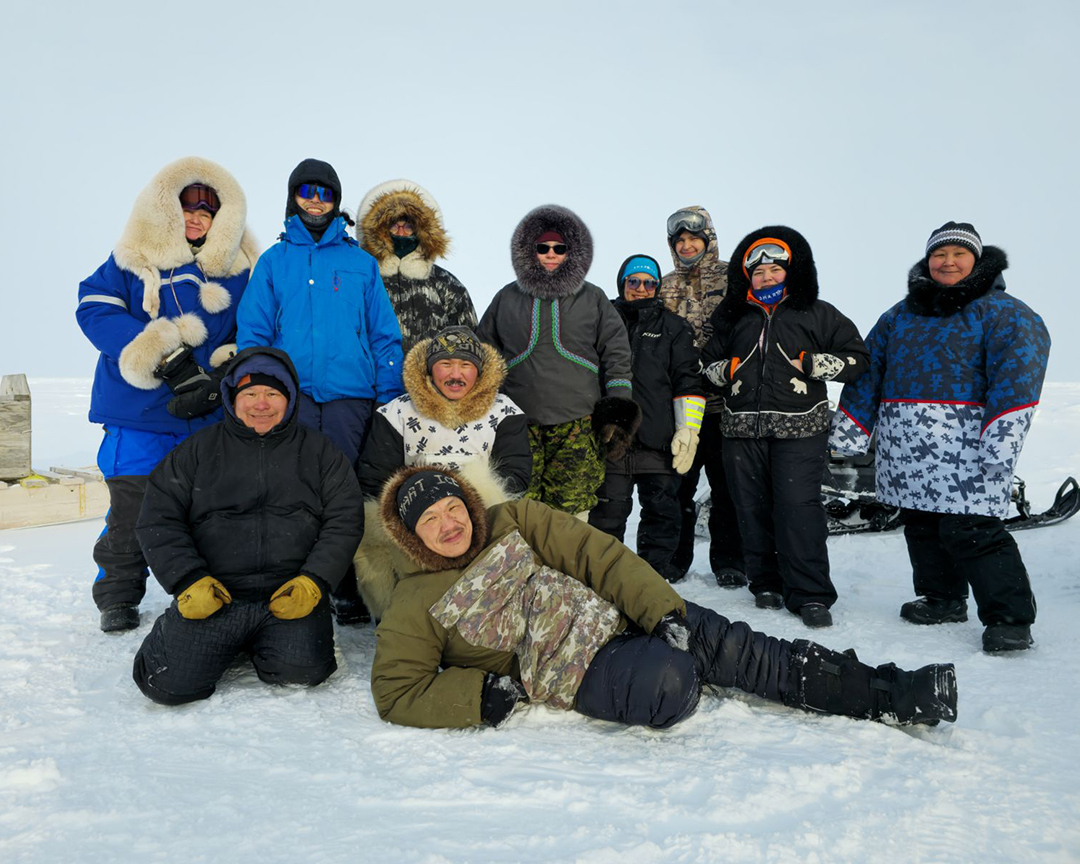
Community Management Committees (CMCs) are local governance groups that guide SmartICE operations in each partner community. Working alongside SmartICE staff, CMCs help determine monitoring priorities, identify areas of concern, and decide where SmartICE technology is deployed to monitor community travel routes and areas of concern, ensuring ice safety initiatives reflect local needs and community priorities.
Composed of Elders, local ice experts, youth, representatives from local organizations and other community members, CMCs ensure that Indigenous knowledge and on-the-land experience remain central to decision-making. In communities where a CMC is not established, SmartICE works with other local governance entities such as hamlets and Hunters and Trappers Organizations (HTOs).
Explore the ice travel safety products co-designed by SmartICE staff and Community Management Committees in Mittimatalik, Gjoa Haven, Nain, Qikiqtarjuaq, and Taloyoak.
Mentorship, Training, and Leadership
Indigenous ways of knowing and learning are at the heart of SmartICE's training initiatives. Through community-based programs, SmartICE supports Indigenous-led ice monitoring and mapping by combining Indigenous and local knowledge with technical training, mentorship, employment readiness, and hands-on experience.
Designed to meet different community needs and levels of involvement, our training programs provide pathways to roles in knowledge co-production and on-ice operations. Participants build skills ranging from seasonal ice monitoring and equipment operation to long-term leadership in mapping, satellite imagery interpretation, research, and community knowledge co-production.
Above-Ice Knowledge Production
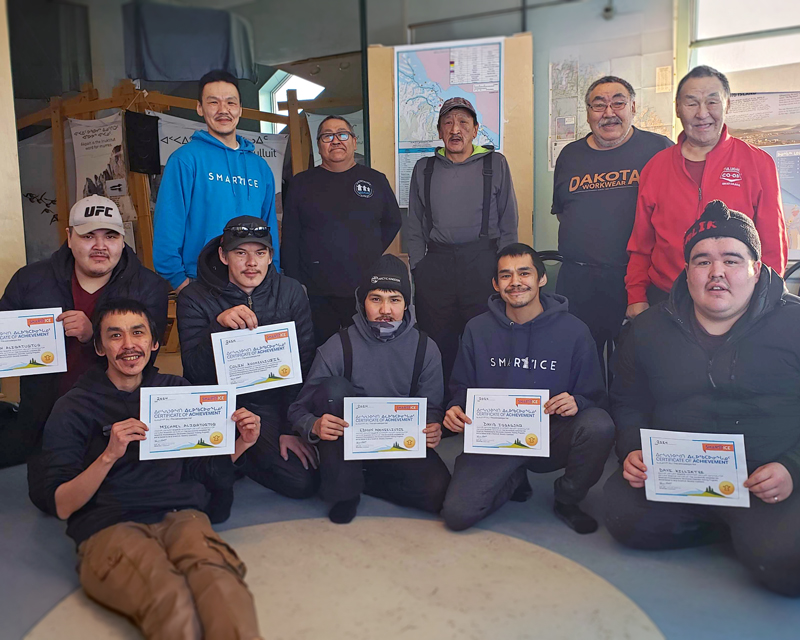
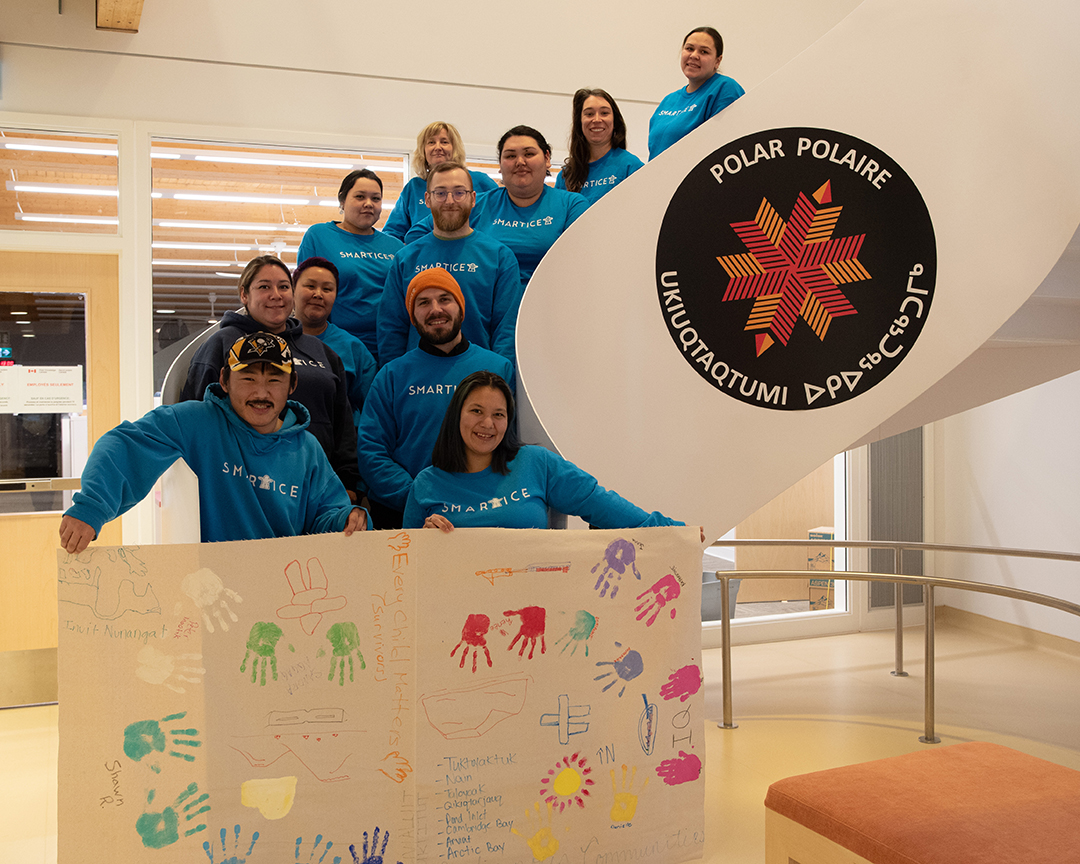
The Knowledge Co-Production Training Program (previously known as the Sikumik Qaujimajjuti Program) supports the next generation of Indigenous community-based researchers and Community Knowledge Coordinators. Developed in response to requests from Community Management Committees, this hybrid program combines in-person, online, and annual workshop-based training hosted in northern communities.
Over two to three years, participants develop the skills to produce weekly ice travel safety maps that support informed decision-making and safer travel on community trails. Training includes geographic information systems (GIS), remote sensing, satellite imagery interpretation, digital mapping, and community knowledge co-production.
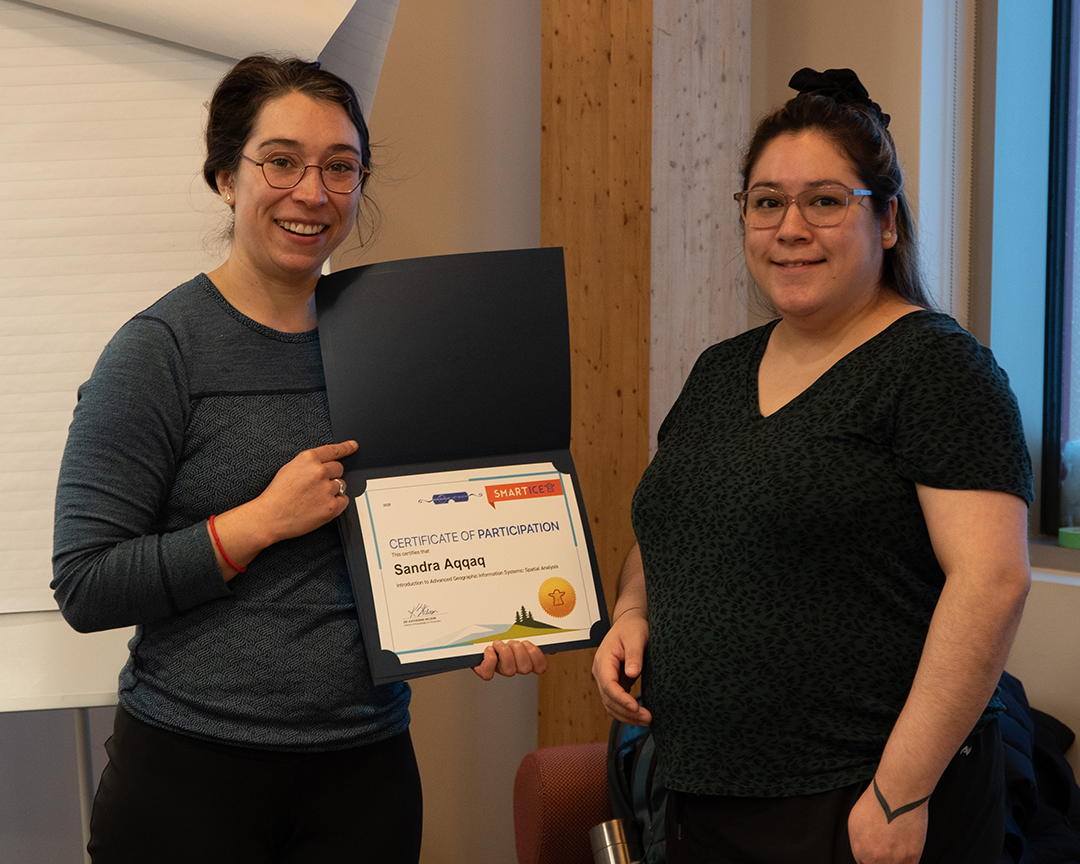
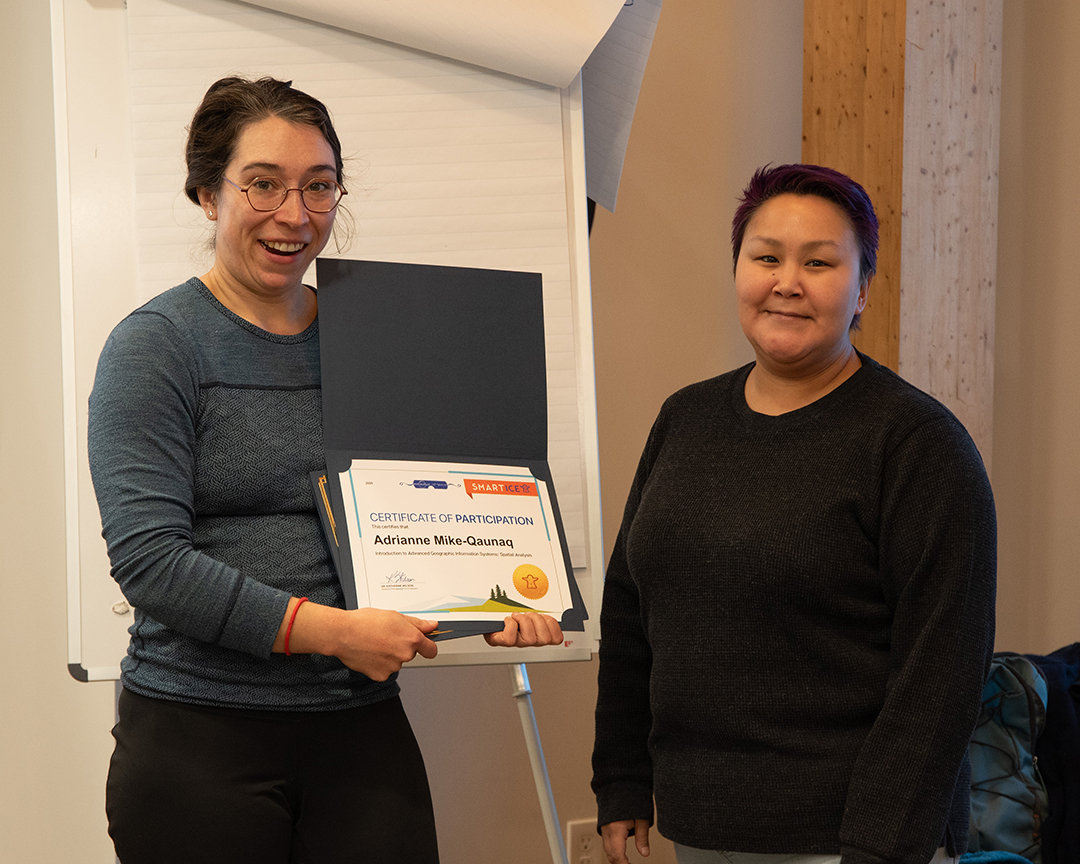
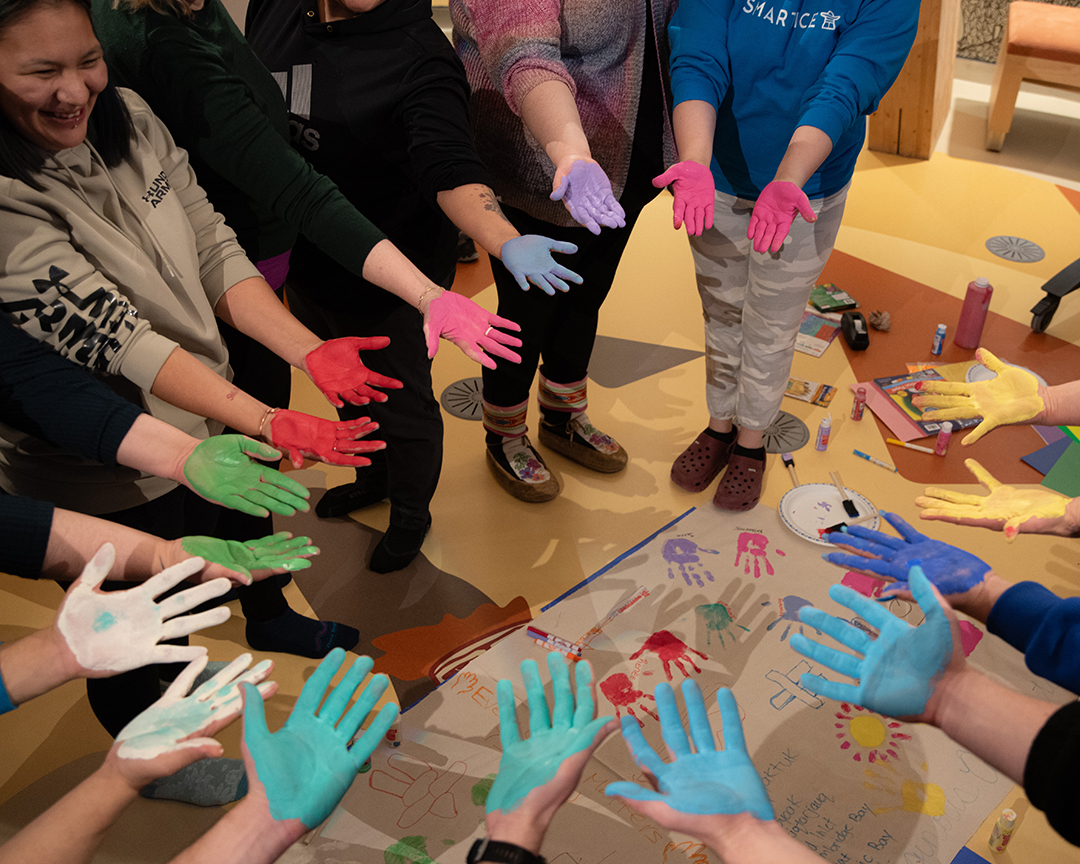
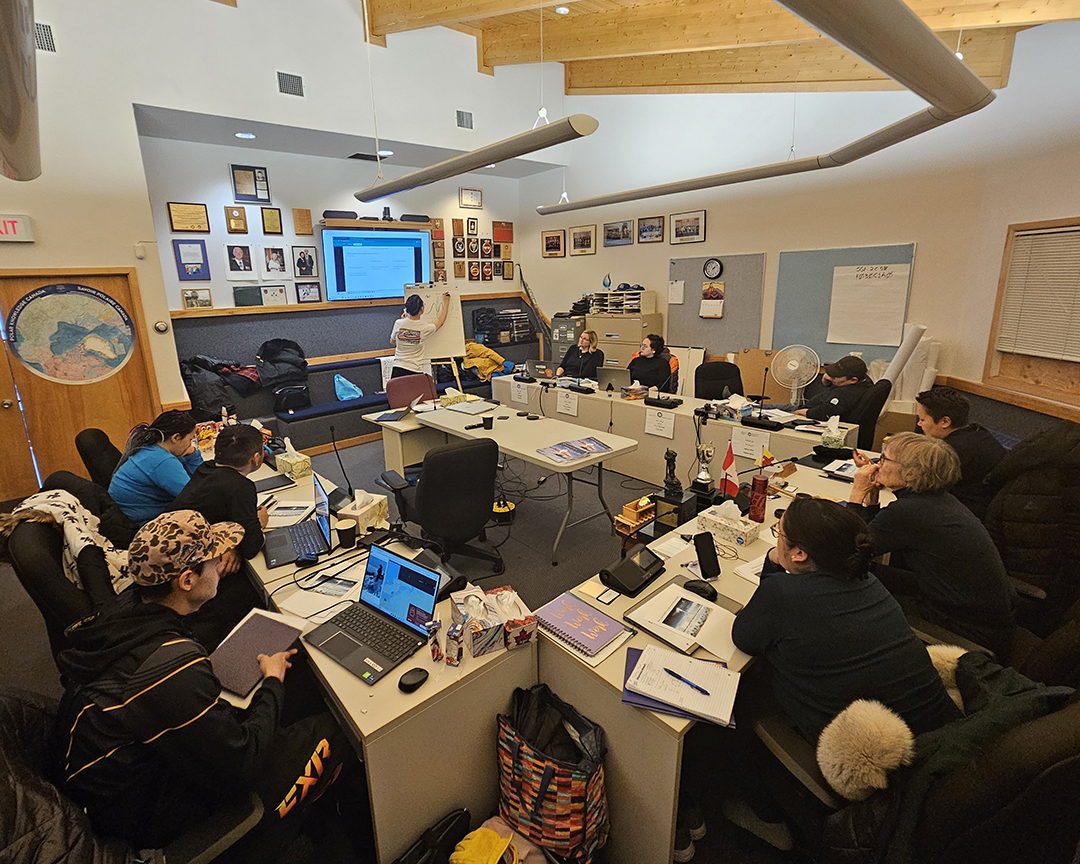
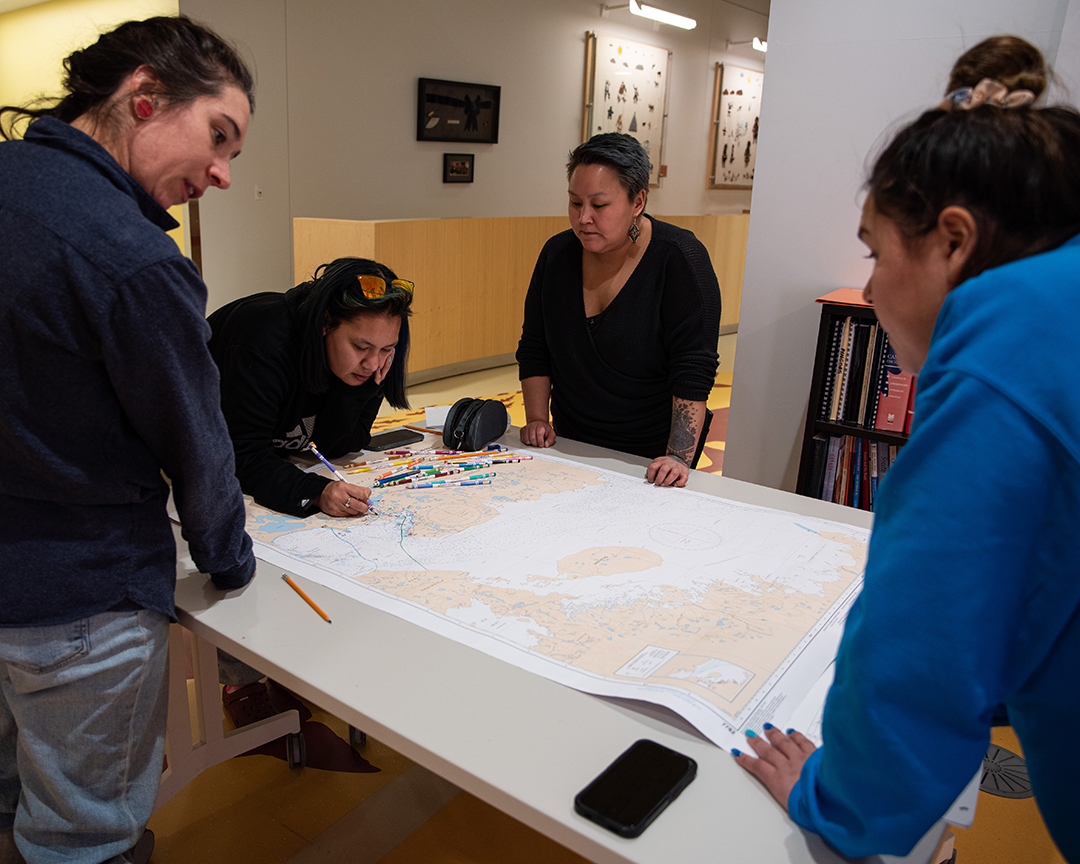
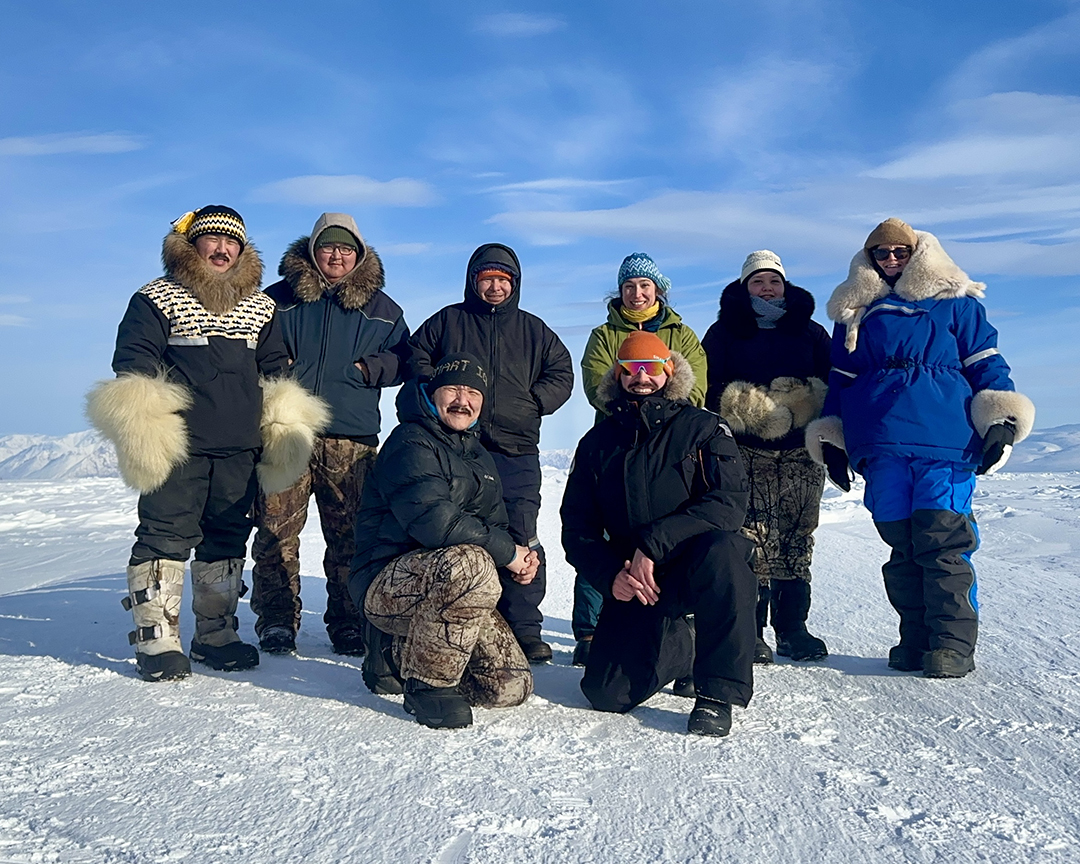
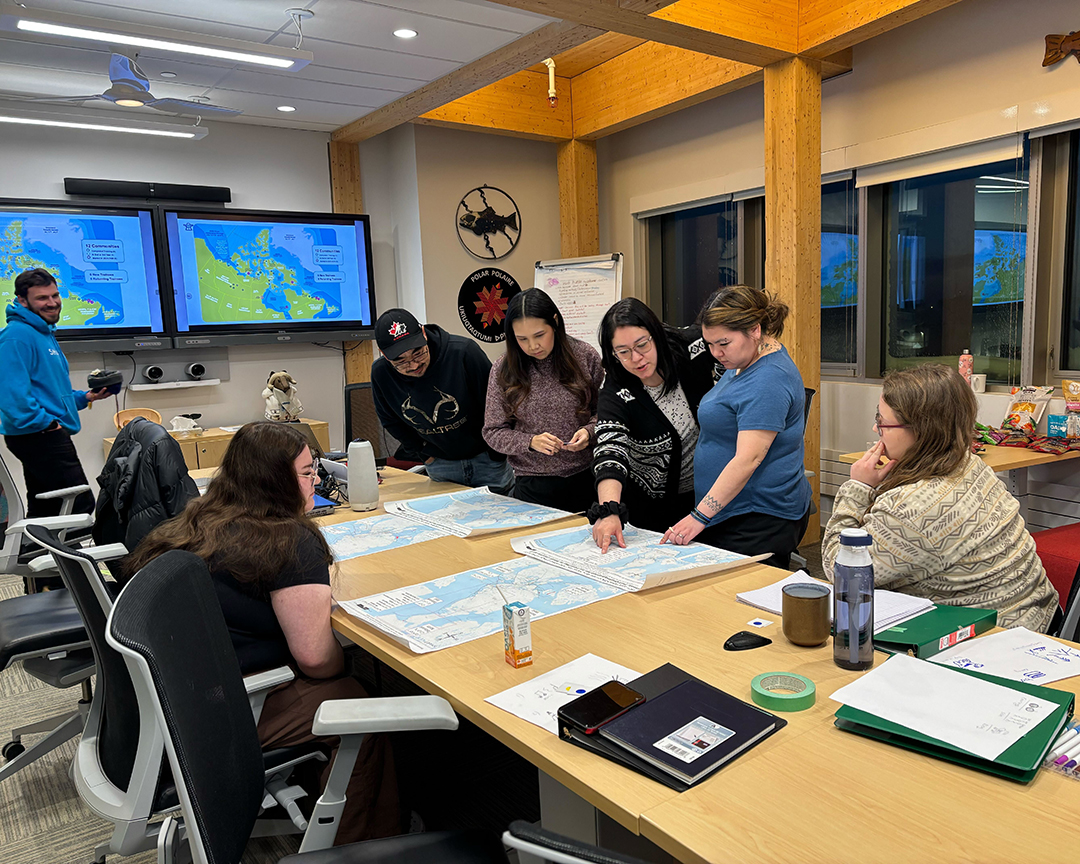
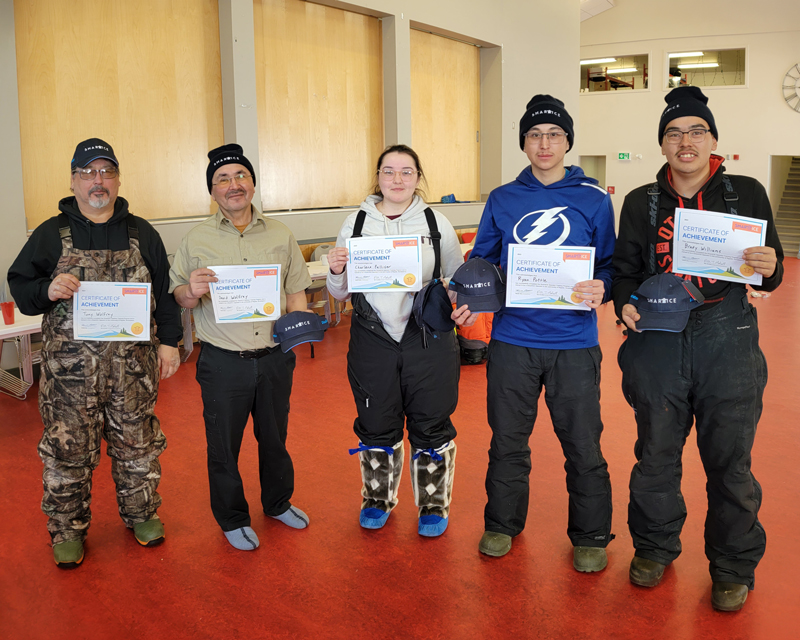
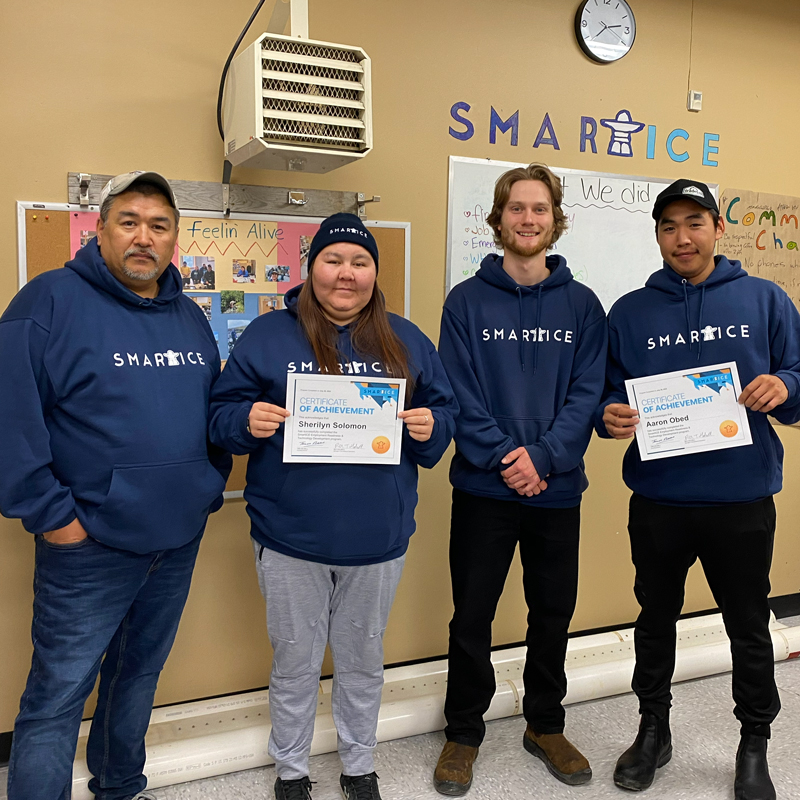
Graduates receive a SmartICE Certificate of Achievement and a SmartICE Community Knowledge Coordinator hat in recognition of their commitment and accomplishments.

Employment Rediness & Digital Skills:
Computer basics, executive functioning and graphic design.

Learning Community Inuit Qaujimajatuqangit:
Working with the Elders and experienced hunters to document and learn about their knowledge for safe ice travel. This has resulted in community ice terminology books, posters, and a computer game.

Computer Mapping
Learning Geographic Information Systems to create winter and spring IQ safety travel knowledge maps.

Earth Observation
Training in interpreting optical and synthetic aperture radar satellite images for their community. This has resulted in weekly ice travel safety maps that utilize the near real-time imagery overlaid with local IQ.
Community Management Committee
Community Management Committees (CMCs) are local leadership groups that guide SmartICE operations in each partner community. Working alongside SmartICE staff, CMCs help determine monitoring priorities, identify areas of concern, and ensure ice safety initiatives reflect local needs and community priorities.
Comprised of Elders, local ice experts, youth, and other community members, CMCs ensure that Indigenous knowledge and on-the-land experience remain central to decision-making.
Explore the ice travel safety products co-designed by SmartICE staff and Community Management Committees in Mittimatalik, Gjoa Haven, Nain, Qikiqtarjuaq, and Taloyoak.
On-Ice Operations
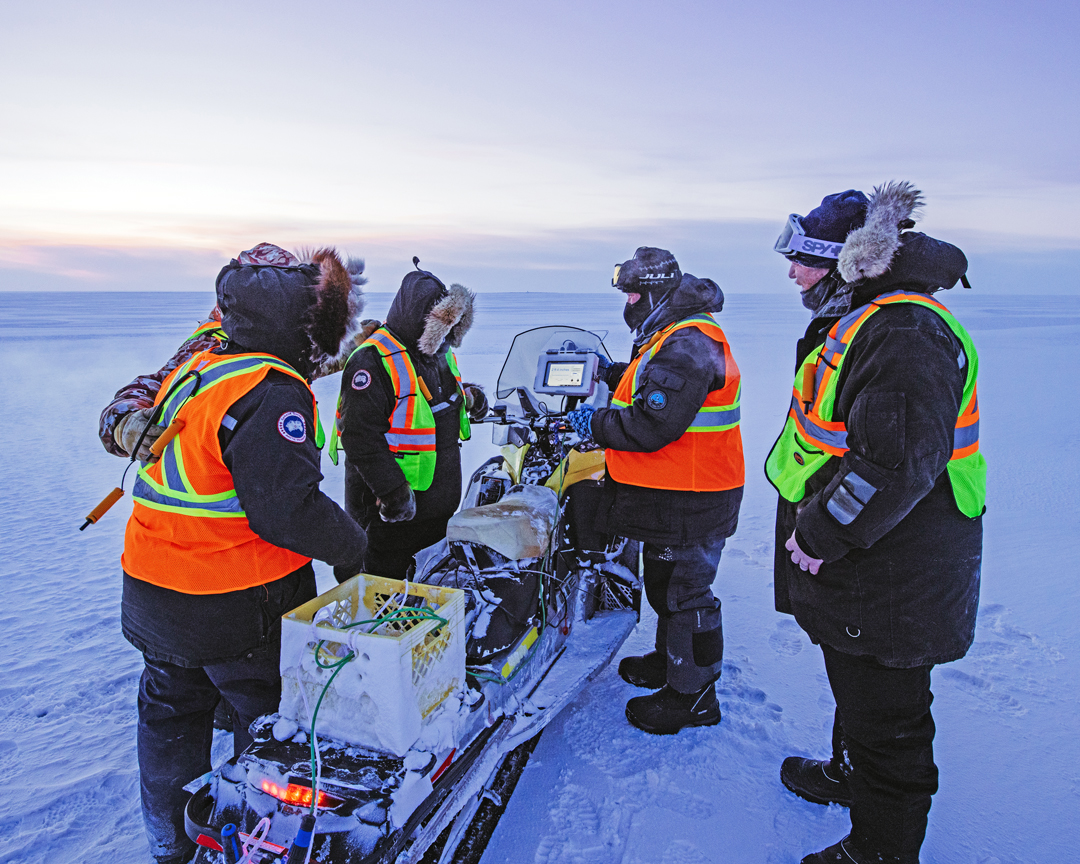
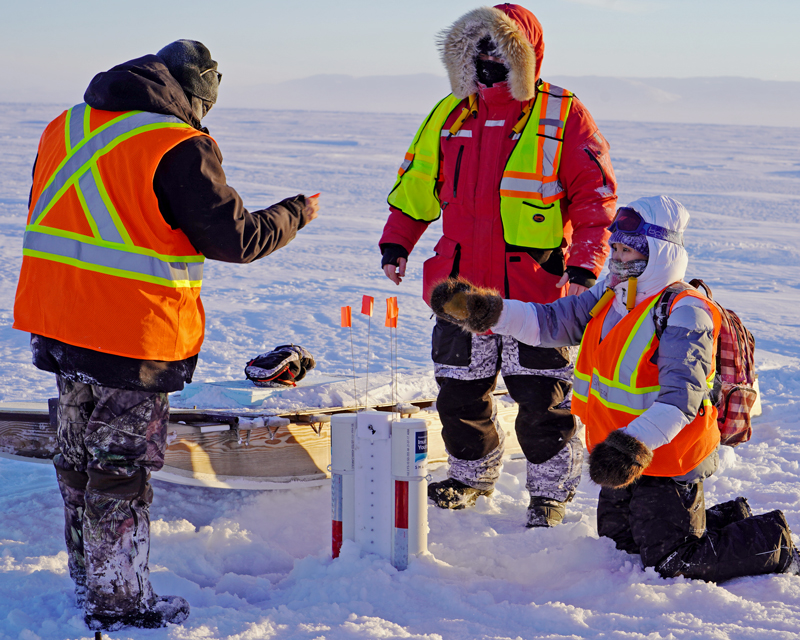
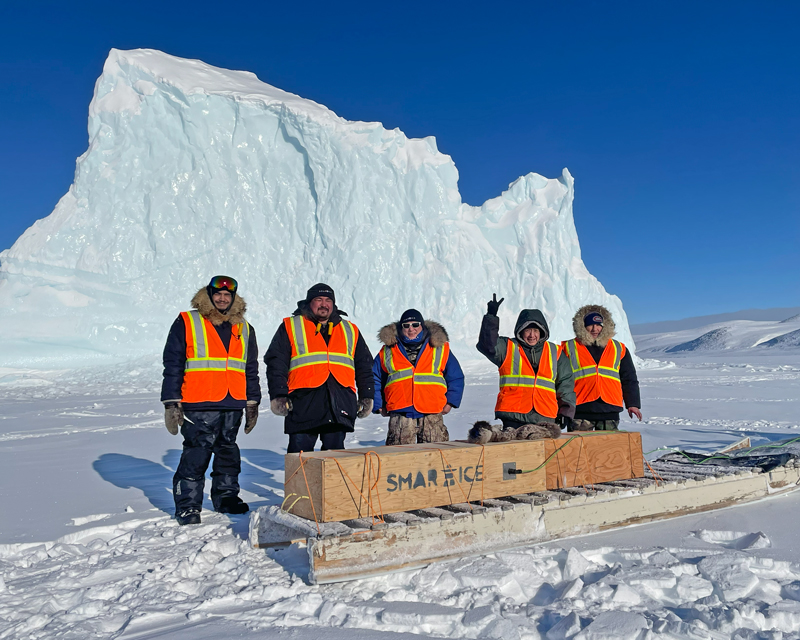
The SmartICE Operator Training Program prepares community members to deploy, operate, and maintain SmartICE monitoring systems safely and confidently. Delivered over a week, the program combines classroom instruction with practical on-ice training covering equipment operation, maintenance, first-aid and troubleshooting.
Elders and experienced ice experts play an important role in the training process by sharing local knowledge of ice conditions and safe travel practices. The program is designed for community members interested in becoming seasonal SmartICE Operators, as well as those working in guardian, stewardship, and environmental monitoring programs.
Graduates receive a SmartICE Certificate of Achievement, Emergency First Aid certification, and a SmartICE Operator hat, joining a growing network of trained operators who support safe ice travel in their communities.
Employment Readiness and Technology Development Program (ERTDP)
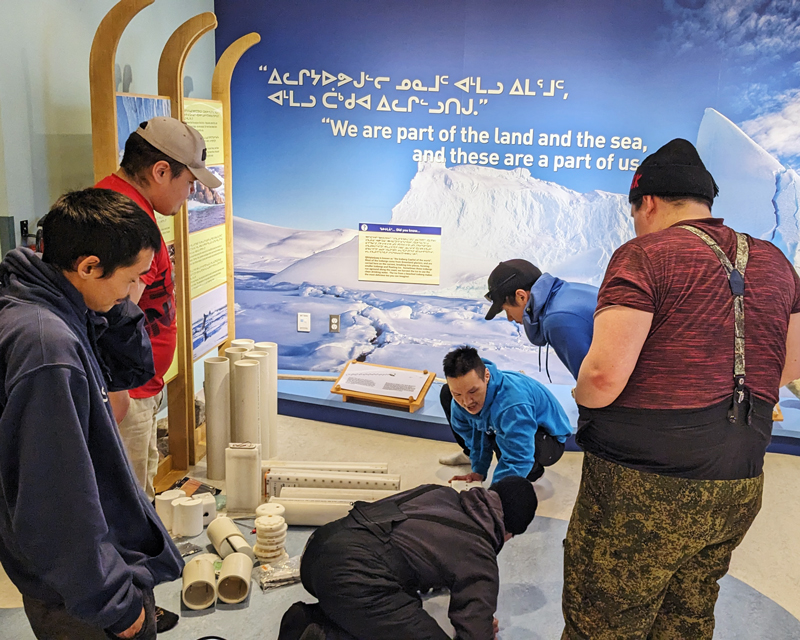
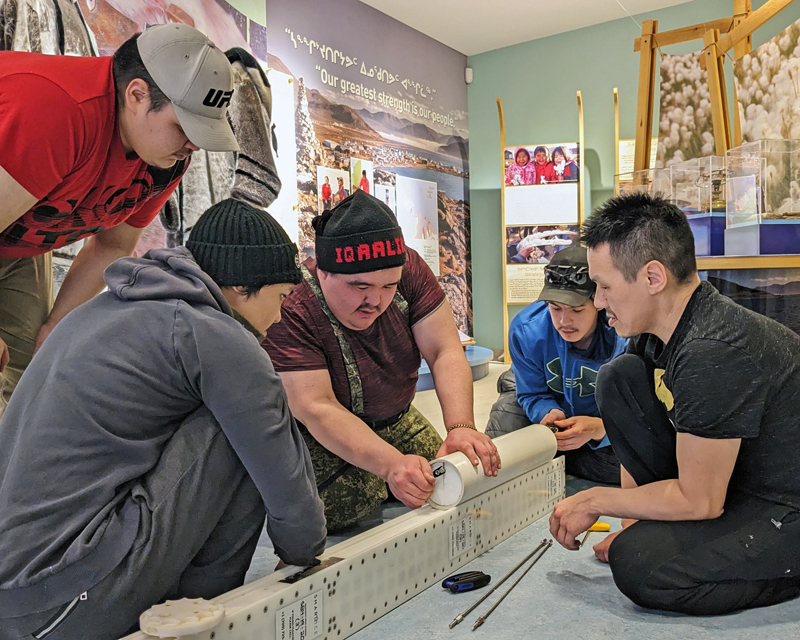
The Employment Readiness and Technology Development Program (ERTDP) is a paid two- to six-week training program that equips youth with technical, STEM, and workplace skills while learning how to assemble the SmartBUOY sensor. This production work takes place at SmartICE's Northern Production Centre in Nain, Nunatsiavut, where participants gain hands-on experience building technology designed for northern environments.
Participants earn First Aid and WHMIS certifications while developing practical workplace skills such as résumé writing, interviewing, communication, and time management. The curriculum is grounded in social and emotional learning (SEL), helping participants build the confidence, resilience, and professional skills needed for future success.
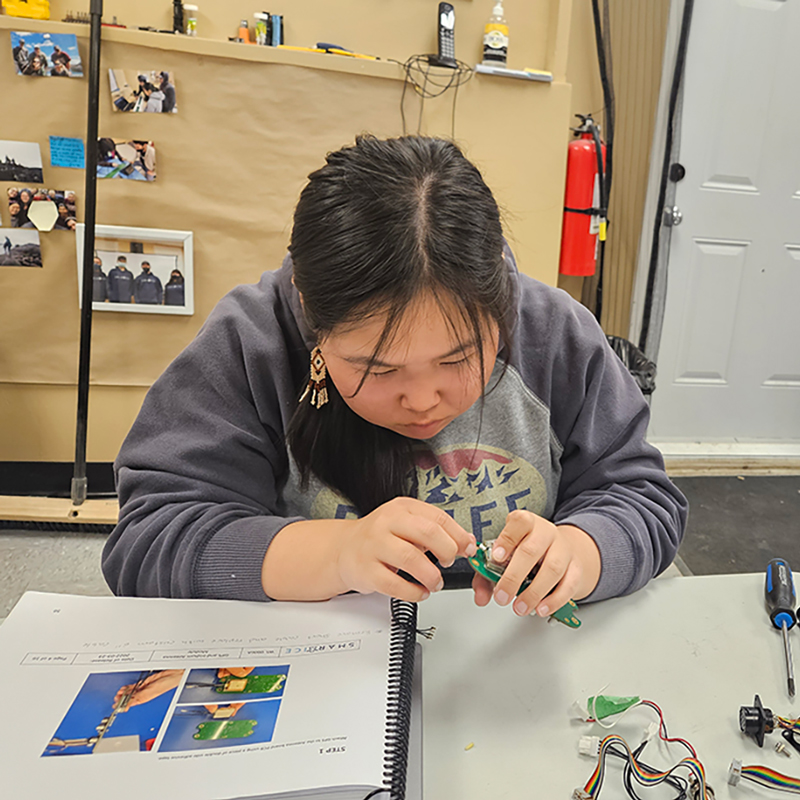
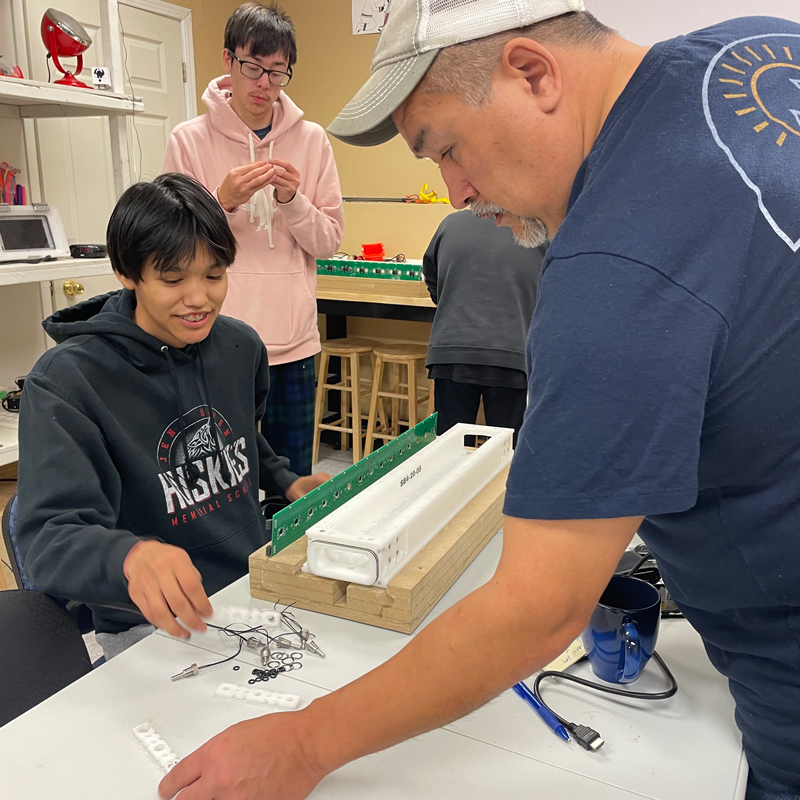
The skills gained through ERTDP and all SmartICE training initiatives are highly transferable and can support pathways into further education, training, and employment.
ERTDP was created with a simple belief: a skilled local workforce can build technology for the North, in the North.